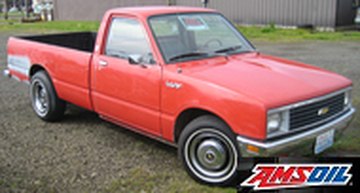
Lubrication Maintenance for the 1981 Isuzu PICKUP 2.2L Diesel
Maintaining a diesel engine requires a disciplined approach to fluid management and regular inspections. For the 1981 Isuzu PICKUP equipped with the 2.2L diesel engine, consistent attention to lubrication quality and system integrity is essential for long-term operation. Because diesel engines operate under different thermal and mechanical stresses than gasoline counterparts, understanding how to monitor and maintain your lubricant is a fundamental part of vehicle ownership.
Monitoring Fluid Integrity and Potential Leaks
A primary component of routine service involves the visual monitoring of the engine for any signs of fluid loss. For an older diesel application, it is useful to periodically inspect the area around the engine block and various sealing surfaces. While some degree of seepage can occur as gaskets and seals age, significant or active leaks should be investigated promptly.
When performing inspections, look for:
- Wetness or residue on the exterior of the engine block or oil pan area.
- Evidence of fluid pooling on the ground beneath where the vehicle is parked.
- Discoloration or staining on various hoses and connections, if present.
- Changes in the level of fluids during routine checks.
If you notice a sudden increase in lubricant consumption or observe new signs of leakage, it may indicate that a seal or gasket requires attention. Addressing these observations early can prevent more significant issues related to low fluid levels or contamination.
Observing Changes in Engine Performance and Indicators
Beyond visual inspections, the way the engine behaves during operation provides important feedback regarding its lubrication state. Owners should remain attentive to any changes that deviate from the vehicle's normal operating characteristics. It is important to remember that many different factors can cause a change in performance, so symptoms should be viewed as indicators for further investigation rather than definitive diagnoses.
Be mindful of the following:
- Unusual Noises: Any new mechanical sounds during startup or while idling may warrant an inspection of the lubrication system.
- Exhaust Observations: Changes in exhaust color or consistency can sometimes be associated with how the engine is managing its fluids.
- Warning Indicators: If your vehicle is equipped with oil-related warning lights or gauges, pay close attention to any fluctuations or unexpected activations.
- Thermal Changes: Significant changes in how the engine manages heat may be related to the effectiveness of the lubrication and cooling systems.
If any of these signs occur, a professional inspection is often the most reliable way to determine the underlying cause.
Prioritizing Maintenance Through Condition-Based Care
As vehicles age, the strategy for maintenance often shifts from strictly following a calendar to focusing on the actual condition of the components. For a 1981 Isuzu PICKUP, this means using the current state of the engine and its fluids to guide your service priorities.
If you are working with a vehicle that has an incomplete service history, establishing a baseline is a practical first step. This involves performing a thorough inspection of all vital fluids and components to understand the current "starting point" of the vehicle's health. Once this baseline is established, you can better track changes over time.
When deciding where to focus your efforts, consider these priorities:
- Address Active Issues: If an active leak or a noticeable change in fluid condition is identified, this should take precedence over general preventive tasks.
- Monitor Fluid Condition: Regularly checking the appearance and smell of the engine oil can provide clues about its remaining service life or potential contamination.
- Inspect Aging Materials: Components such as belts (if equipped) or hoses (if present) should be checked for signs of deterioration like cracking, glazing, or fraying.
By focusing on the actual condition of the 2.2L diesel engine rather than just its age, you can make more informed decisions about when to perform specific maintenance tasks.
The Role of Lubrication in Diesel Engine Health
Engine oil performs several vital roles that are critical to the continued operation of a diesel engine. Beyond simply reducing friction between moving parts, the lubricant acts as a medium for heat management, helping to carry thermal energy away from high-temperature zones within the engine. It also plays a role in cleaning the internal environment by suspending microscopic particles and preventing them from settling as deposits or sludge.
Maintaining the cleanliness and chemical stability of the oil is essential for these functions. Over time, lubricants can undergo oxidation or become contaminated by combustion byproducts, which can diminish their ability to protect the engine. This is why adhering to a consistent service routine is so important; it ensures that the lubricant remains capable of providing the necessary protection against wear and deposit buildup.
Effective Record Keeping for Long-Term Ownership
For owners of classic or older vehicles like the 1981 Isuzu PICKUP, maintaining detailed service records is one of the most effective ways to manage long-term maintenance. A well-kept log provides a clear history of what has been done, when it was done, and what parts were used.
Keeping track of fluid changes, filter replacements, and any repairs performed allows you to identify patterns. For example, if you notice that oil consumption is increasing over several months, your records will help you determine exactly when that trend began. Furthermore, having a documented history of maintenance can be invaluable if you ever decide to sell the vehicle, as it demonstrates a commitment to responsible ownership and consistent care.
Buying Engine Oil for your 1981 Isuzu PICKUP 2.2L
When it is time to replenish your engine's lubricant, the most important step is to ensure that the product you select matches the specific requirements of your engine. For this 1981 Isuzu PICKUP 2.2L diesel, do not rely on general automotive knowledge or assumptions based on the vehicle's age to choose a grade.
Instead, match the engine oil to the application-specific viscosity information already displayed on this page. When you are ready to purchase, always check the product labeling to verify that the oil meets the necessary quality standards and certifications for your specific diesel application. Depending on your needs, you may encounter various formulations, including conventional, synthetic blends, or full synthetics; however, you should prioritize the viscosity and specifications provided in the application information above to ensure proper engine protection.